Is SASSA R370 Grant Still Available? 2026. If you are asking “Is SASSA R370 Grant Still Available?”, you are not alone. Many South Africans are searching for clear, reliable information about social relief in 2026. The South African Social Security Agency (SASSA) administers critical grants that support vulnerable citizens, including the Social Relief of Distress (SRD) grant.
This article directly answers your question and provides actionable guidance to help you apply, check your status, or resolve issues with your SASSA grant application.
Why this matters to you: If you are unemployed, waiting for student funding, caring for children, or living with a disability, knowing whether the SASSA R370 grant is available could determine your access to essential financial support. This guide cuts through confusion and gives you the facts you need to take the next step with confidence.
Is SASSA R370 Grant Still Available? and Why It Matters
The short answer is: Yes, social relief through SASSA remains available in 2026, but the exact grant amount and name require clarification.
Understanding the SASSA R370 Grant Reference
The term “SASSA R370 Grant” commonly refers to the Social Relief of Distress (SRD) grant, which has been a lifeline for unemployed South Africans with no other income. While the grant was historically set at R350 per month, national budget announcements and policy adjustments have discussed potential increases, including to R370. However, the official amount payable is confirmed annually through the National Budget and SASSA communications.
For 2026, applicants should verify the current payable amount directly via the official SASSA website or authorised channels. What remains consistent is the grant’s purpose: to provide temporary financial assistance to those who qualify.
Who SASSA R370 Grant Is For
This grant targets South African citizens, permanent residents, or refugees registered on the Home Affairs database who:
- Are between 18 and 60 years old
- Are unemployed and not receiving any other social grant
- Have no other source of income or financial support
- Do not receive Unemployment Insurance Fund (UIF) benefits
- Are not staying in a government-funded or subsidised care institution
What Financial Support SASSA R370 Grant Covers
While the SRD grant (sometimes referenced as R370) provides direct cash relief, SASSA administers several other grants that may be relevant:
- SRD Grant: Temporary monthly support for unemployed individuals with no income
- Child Support Grant: Monthly assistance for primary caregivers of children under 18
- Disability Grant: Support for adults with permanent physical or mental disabilities
- Foster Care Grant: For court-appointed foster parents caring for children
- Older Persons Grant: For citizens aged 60 and above who meet means test criteria
Understanding which grant applies to your situation is the first step toward accessing support.
Who This Topic Applies To
This guide is designed for South Africans who need clarity on social relief options in 2026. You may find this information valuable if you fall into one of these groups.
Unemployed Individuals Seeking SRD Relief
If you are between 18 and 60, actively seeking work, and have no income, the SRD grant is likely your primary option. This includes:
- Young adults entering the job market
- Workers who lost jobs due to economic conditions
- Individuals whose informal income has dried up
Students Needing Temporary Relief
Students waiting for NSFAS funding, bursary disbursements, or part-time work opportunities may qualify for temporary SRD support. This grant can help cover basic needs like food, transport, and study materials while you await other funding.
Parents and Guardians Assisting with Family Grants
If you care for children, elderly relatives, or persons with disabilities, you may be eligible for:
- Child Support Grant (for children under 18)
- Foster Care Grant (for court-placed children)
- Care Dependency Grant (for children with severe disabilities)
Understanding the SRD grant alongside these options helps you build a complete support strategy.
Elderly Citizens and Persons with Disabilities
While the Older Persons Grant and Disability Grant have separate eligibility criteria, some applicants may initially explore the SRD grant while awaiting assessment for permanent grants. This guide helps you understand where the SRD fits within the broader SASSA support ecosystem.
Requirements and Eligibility for SASSA R370 Grant Still Available?
Eligibility for the SRD grant (referenced as R370) is strictly defined. Meeting all criteria is essential for approval.
Citizenship and Residency Requirements
You must be one of the following:
- A South African citizen with a valid green barcoded ID, smart ID, or birth certificate
- A permanent resident with official documentation
- A refugee or asylum seeker registered with the Department of Home Affairs
You must also reside within South Africa at the time of application and payment.
Means Test and Income Thresholds
SASSA applies a means test to determine financial need. For the SRD grant:
- You must have no income or financial support exceeding the threshold set by SASSA (historically R624 per month, but subject to change)
- You must not receive any other social grant, UIF payment, or pension
- Bank account balances and informal income may be assessed during verification
Age Requirements
Applicants must be:
- At least 18 years old
- Under 60 years of age (those 60+ should apply for the Older Persons Grant)
Special Cases: Disability, Foster Care, and Other Grants
If you have a disability, care for a foster child, or support an elderly relative, you may qualify for a different, often higher-value grant. The SRD grant is temporary relief; permanent grants provide more stable, long-term support. Always explore all options with SASSA.
Documents Needed For SASSA R370 Grant Still Available Application
Having the correct documents ready speeds up your application and reduces delays.
Essential Documents Checklist
- Valid South African ID: Green barcoded ID book, smart ID card, or valid birth certificate with photo
- Proof of Residence: Recent utility bill, lease agreement, or affidavit from a local authority
- Bank Account Details: Active bank account in your name (or post office account) for payments
- Cellphone Number: Active number registered in your name for SMS notifications
- Email Address: Optional but recommended for communication
Certification Rules for Documents
SASSA typically does not require certified copies for online SRD applications. However:
- If applying in person, bring original documents and certified copies
- Certifications must be done by a commissioner of oaths, police officer, or post office official
- Certifications older than three months may be rejected
File Formats and Upload Tips for Online Applications
When applying via the SASSA SRD website:
- Use clear, well-lit photos or scans of documents
- Save files as JPG, PNG, or PDF under 5MB each
- Ensure text on IDs and proofs is fully visible and legible
- Double-check that your name matches exactly across all documents
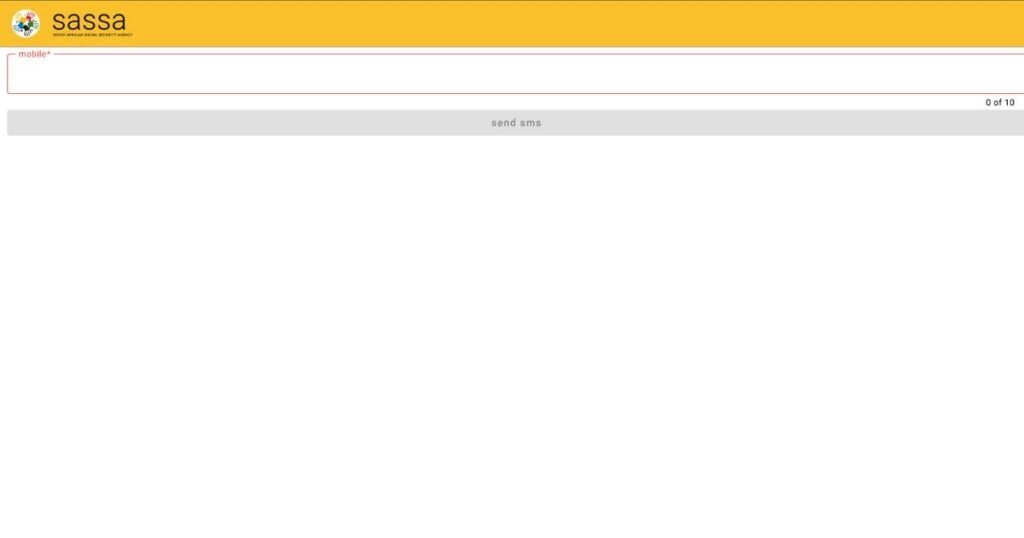
How to Apply for SASSA R370 Grant (Step-by-Step Process)
Applying for the SRD grant is straightforward if you follow these steps carefully.
Online Application Process
- Visit the Official SRD Website: Go to srd.sassa.gov.za – this is the only authorised portal for SRD applications
- Start Your Application: Click “Apply for SRD Grant” and enter your ID number and cellphone number
- Verify Your Identity: You will receive an OTP (one-time PIN) via SMS. Enter it to confirm your number
- Complete Personal Details: Fill in your full name, address, and banking information accurately
- Answer Eligibility Questions: Confirm you meet all criteria (unemployed, no other income, etc.)
- Submit and Save Reference: After submission, note your application reference number for tracking
In-Person Application Options
If you cannot apply online:
- Locate a SASSA Office or Partner Point: Use the SASSA website to find the nearest office, post office, or mobile outreach
- Bring Required Documents: Original ID, proof of residence, and bank details
- Request Assistance: Staff will help you complete the SRD application form
- Collect Proof of Submission: Ensure you receive a reference number or receipt
What to Expect After Applying
- Application Review: SASSA verifies your details against Home Affairs, bank, and other databases. This can take 30–90 days
- Status Updates: Check your status online using your ID and reference number
- Approval Notification: If approved, you will receive an SMS with payment details
- Payment Schedule: Grants are paid monthly on scheduled dates; you will be notified of your specific date
Common Problems and Solutions
Many applicants face challenges during the SASSA grant process. Here is how to address the most frequent issues.
Understanding Application Status Messages
- Pending: Your application is under review. Wait 30 days before following up
- Declined: You did not meet one or more eligibility criteria. You can appeal this decision
- Failed: A technical error occurred. Reapply or contact SASSA support
- Approved: Your grant is active. Confirm your payment method and date
Payment Delays and Banking Issues
If your payment is late or not reflected:
- Confirm Bank Details: Log in to the SRD portal and verify your account number
- Check Payment Dates: SASSA publishes monthly payment schedules; ensure you are checking on the correct date
- Contact Your Bank: Sometimes delays occur on the banking side. Provide your SASSA reference to your bank
- Visit a SASSA Office: If unresolved, bring your ID and reference number for in-person assistance
Reconsideration and Appeals Process
If your application is declined:
- Log in to the SRD Portal: Use your ID and reference number
- Select “Request Reconsideration”: Submit within 30 days of the decline notice
- Provide Additional Information: Upload any documents that support your eligibility
- Track Your Appeal: Check status updates regularly. Appeals can take 60–90 days for resolution
Important Tips and Warnings
Protect yourself and your application by following these essential guidelines.
Avoiding Scams and Fraud
- Never Pay to Apply: SASSA grants are free. Anyone asking for payment is a scammer
- Use Official Channels Only: Apply only via srd.sassa.gov.za or official SASSA offices
- Guard Your Personal Information: Do not share your ID, bank details, or OTP with anyone
- Report Suspicious Activity: Contact SASSA immediately if you suspect fraud
Payment Dates to Watch
- SASSA releases grants in batches based on ID number endings or grant type
- Payment dates are published monthly on the SASSA website and via SMS
- Allow 2–3 business days for funds to reflect in your account after the scheduled date
- Never rely on unofficial “payment date” lists shared on social media
Mistakes That Lead to Rejection or Suspension
- Incorrect Bank Details: Double-check account numbers before submission
- Income Above Threshold: Even small informal earnings can affect eligibility
- Duplicate Applications: Applying multiple times can flag your file for review
- Failure to Update Details: If your circumstances change (e.g., you find work), inform SASSA to avoid overpayment penalties
Frequently Asked Questions (FAQ) On SASSA R370 Grant
Is the SASSA R370 grant confirmed for 2026?
The availability of social relief through SASSA continues in 2026. The exact grant amount (whether R350, R370, or another figure) is confirmed through the National Budget and official SASSA announcements. Always verify the current amount on the official SASSA website.
How do I check my SASSA SRD status?
Visit srd.sassa.gov.za, enter your ID number and cellphone number, and follow the prompts to view your application status. You can also check via the SASSA WhatsApp line or visit a local office.
Can I receive the SRD grant if I have a part-time job?
If your monthly income exceeds the SASSA means test threshold (historically R624), you may not qualify. All income sources, including informal work, are considered during verification.
What if I don’t have a bank account?
You can apply with a post office account or select cash send options where available. However, having a personal bank account is the fastest and most reliable payment method.
How long does the SRD application take to process?
Processing times vary but typically range from 30 to 90 days. Delays can occur due to high application volumes or verification requirements.
Can I appeal a declined SRD application?
Yes. You can request reconsideration via the SRD portal within 30 days of receiving a decline notice. Provide any additional information that supports your eligibility.
Will receiving the SRD grant affect my other grant applications?
No. The SRD grant is temporary relief and does not disqualify you from applying for other SASSA grants like Child Support or Disability grants. However, you cannot receive two grants simultaneously.
What should I do if my SASSA payment is late?
First, confirm the official payment date for your grant type. If the date has passed, check your bank details on the SRD portal, then contact SASSA via their official channels for assistance.
Conclusion
Yes, social relief through SASSA remains available in 2026. While the exact amount referenced as the “R370 grant” may vary based on official announcements, the pathway to apply for the SRD grant and other SASSA support is clear and accessible.
If you are unemployed, caring for dependents, or facing financial hardship, do not delay. Gather your documents, verify your eligibility, and apply through the official SASSA channels. Remember: the process is free, your information is protected, and help is available if you encounter challenges.
Key takeaways:
- Verify the current grant amount via official SASSA communications
- Ensure you meet all eligibility criteria before applying
- Use only the official srd.sassa.gov.za portal or authorised SASSA offices
- Keep your contact and banking details up to date
- Appeal promptly if your application is declined
Your financial well-being matters. Take the next step today with confidence, knowing you have accurate, up-to-date guidance to navigate the SASSA grant process in 2026.