How To Apply For SASSA SRD R350 2026: Complete Guide. Navigating the social support system in South Africa can be challenging, especially when financial stability is uncertain. This guide provides comprehensive information on How To Apply For SASSA SRD R350, ensuring you have the correct details to secure potential financial relief.
The South African Social Security Agency (SASSA) administers these grants to assist vulnerable citizens during times of economic hardship. Understanding the application process is critical because it directly impacts your ability to receive monthly support when you have no other means of income.
This article serves as an authoritative resource for the 2026 application cycle. It is designed to reduce confusion, prevent application errors, and help you manage your expectations regarding approval timelines.
Whether you are a first-time applicant or someone seeking to reinstate a previous grant, following the correct procedure is essential. We will cover eligibility, required documentation, step-by-step submission methods, and how to resolve common issues.
Your financial well-being matters, and having accurate information is the first step toward accessing the support you need.
How To Apply For SASSA SRD R350 and Why It Matters
The Social Relief of Distress (SRD) grant is a temporary financial aid programme designed to assist unemployed South Africans who have no other means of support. When you search for How To Apply For SASSA SRD R350, you are looking for access to a lifeline that helps cover basic needs such as food, transport, and essential utilities. The grant is not a permanent salary but a critical safety net for those falling through the gaps of the formal employment sector.
Understanding the SRD Grant Purpose
The primary purpose of the SRD grant is to provide immediate relief to individuals who are unable to meet their most basic needs. The South African Social Security Agency introduced this grant to mitigate the effects of high unemployment rates and economic instability. For many households, this amount makes the difference between having a meal or going hungry. It is intended to be supplemental support while applicants seek permanent employment or other forms of long-term assistance.
Financial Coverage and Limitations
It is important to understand what the grant covers financially. The SRD grant, often referred to as the SASSA R350 grant, is a cash transfer paid monthly into your bank account or collected via specific pay points. While the amount is modest, it is designed to contribute toward grocery bills and essential living costs. It does not cover large expenses like rent in full or debt repayment. Applicants should budget wisely, understanding that this is relief funding rather than a comprehensive income solution.
The Importance of Accurate Applications
Knowing How To Apply For SASSA SRD R350 correctly matters because errors can lead to delays or rejections. The agency processes millions of applications, and incomplete information slows down the verification process. An accurate application ensures that your means test is conducted correctly and that your banking details are valid for payment. Taking the time to understand the requirements protects you from fraud and ensures that funds reach the intended beneficiary without unnecessary administrative hurdles.
Who This Topic Applies To
This guide is structured to assist various demographics within South Africa who may qualify for social relief. While the SRD grant is the primary focus, understanding the broader scope of SASSA support helps applicants identify if there are other grants they might qualify for alongside the SRD. The information below details the specific groups who should be engaging with this application process.
Unemployed Individuals Seeking SRD Grant
The primary audience for this information is unemployed individuals between the ages of 18 and 60. If you do not have a job, are not receiving unemployment insurance benefits (UIF), and have no other source of income, you are the core target for this grant. This includes individuals who have lost jobs due to retrenchment, business closure, or those who have never been employed. If you are actively looking for work but currently have zero income, this application process is designed for you.
Students Needing Temporary Relief
South African students often face gaps in funding while waiting for NSFAS allowances or bursary disbursements. If you are a student without any other financial support from family or institutions, you may qualify for the SRD grant during your study periods. However, you must declare any stipends you receive. This topic applies to students who need supplemental support to cover food and transport costs while pursuing their education, provided they meet the means test criteria.
Parents and Guardians
While this article focuses on the SRD grant, parents and guardians assisting with Child Support or Foster Care grants often need to understand the broader SASSA system. In some households, a guardian might qualify for the SRD grant while also managing Child Support Grants for dependents. Understanding How To Apply For SASSA SRD R350 helps guardians ensure they are maximising all available legal support for their household without duplicating claims or violating eligibility rules regarding household income thresholds.
Elderly and Disabled Persons
Elderly citizens and persons with disabilities usually qualify for specific permanent grants rather than the temporary SRD grant. However, if an elderly person is waiting for their Old Age Grant to be processed, or if a disability claim is under review, they might need temporary relief. This topic applies to them if they are currently without income and waiting for their permanent grant approval. It is crucial for this demographic to know the difference between temporary relief and permanent disability or age-related grants to ensure they apply for the correct support.
Requirements and Eligibility for How To Apply For SASSA SRD R350
Meeting the eligibility criteria is the most critical part of the application process. The South African Social Security Agency has strict rules to ensure funds go to those who need them most. Before you begin, you must verify that you meet every requirement listed below. Failing to meet even one criterion can result in an automatic decline of your application.
Citizenship and Residency Criteria
To qualify, you must be a South African citizen, a permanent resident, or a refugee registered on the Home Affairs database. You must also be physically residing within South Africa. The agency verifies your identity against Home Affairs records. If you are a foreign national, you must have valid documentation proving your legal status in the country. Applicants living outside of South African borders are not eligible for this specific relief grant, even if they are citizens.
Means Test and Income Thresholds
The means test is a financial assessment to determine if you truly need assistance. To pass the means test, you must have no other source of income. This includes wages, pensions, UIF payments, or any other social grant. The agency checks your bank statements and cross-references data with other government departments. If you have any money flowing into your account above the specified threshold, you will not qualify. The threshold is strict to ensure fairness in distribution among the most vulnerable citizens.
Age Requirements
The standard age requirement for the SRD grant is between 18 and 60 years old. Individuals under 18 are generally expected to be supported by parents or guardians through Child Support Grants. Individuals over 60 are expected to apply for the Old Age Grant. If you fall outside this age bracket, you should inquire about the specific grant designed for your age group rather than the SRD relief grant. Accurate date of birth information on your ID document is essential for this verification.
Special Cases and Exclusions
There are special cases to consider regarding eligibility. If you are receiving a stipend from a government programme, you may be disqualified. Similarly, if you are residing in a government-funded institution, such as a state care facility, you may not qualify. Persons with disabilities should note that if you qualify for a Disability Grant, you should apply for that instead, as it offers higher long-term support. However, while waiting for disability assessment, you might qualify for SRD temporarily. Understanding these nuances is key when learning How To Apply For SASSA SRD R350.
How To Apply For SASSA SRD R350 (Step-by-Step Process)
Applying for the grant can be done through several channels. The South African Social Security Agency has digitised most of the process to make it accessible. However, options exist for those without smartphones or internet access. Follow these steps carefully to ensure your application is submitted correctly.
Online Application via Web Portal
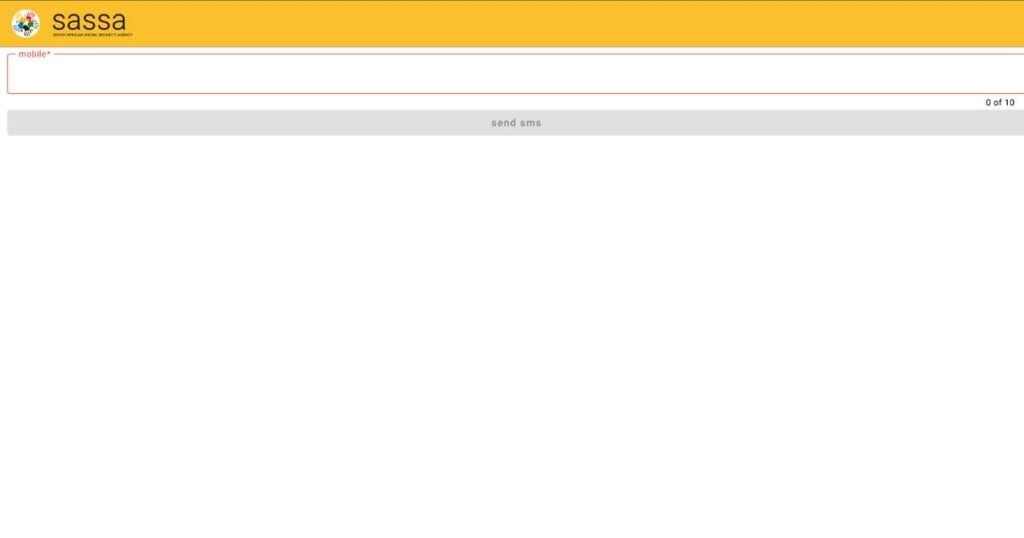
The most common method is applying through the official SRD website. This method allows you to upload documents and track your status easily.
- Visit the official SRD grant website on your browser.
- Click on the section designated for new applicants.
- Enter your South African ID number and mobile phone number.
- You will receive a one-time PIN (OTP) via SMS to verify your phone number.
- Enter the PIN on the website to proceed.
- Fill in all personal details exactly as they appear on your ID document.
- Answer the eligibility questions regarding income and employment truthfully.
- Submit your banking details for payment processing.
- Review all information before final submission to avoid errors.
Application via WhatsApp
For those who prefer using mobile messaging apps, SASSA offers a WhatsApp application line. This is useful for individuals with limited data but access to messaging services.
- Save the official SASSA WhatsApp number to your contacts.
- Send a message saying “Hello” to initiate the chat.
- Select the option for SRD Grant Application from the menu.
- Follow the prompts to enter your ID number and personal details.
- Verify your identity using the OTP sent to your phone.
- Complete the questionnaire regarding your income status.
- Confirm your banking details when prompted.
- Wait for the confirmation message stating your application was received.
In-Person Application Options
While online methods are preferred, some applicants may need to apply in person. This is often relevant for those with disabilities or those who struggle with digital platforms.
- Locate your nearest SASSA local office or community centre.
- Bring your original ID document and proof of residence.
- Request an application form for the Social Relief of Distress grant.
- Fill out the form with the assistance of a SASSA official if needed.
- Submit the form along with certified copies of your documents.
- Keep the receipt or reference number provided by the official.
- Follow up on the status using the reference number provided.
What to Expect After Submission
Once you have submitted your application, you will receive a reference number. This number is crucial for tracking your status. The verification process can take several weeks. During this time, the agency verifies your identity, checks your income status, and validates your banking details. You should not reapply multiple times as this can cause system errors and delay your processing. Wait for the status update via SMS or the online portal before taking further action.
Documents Needed SASSA SRD R350 Application
Having the correct documentation ready before you start your application saves time and prevents rejection. The South African Social Security Agency requires specific proofs to validate your identity and financial status. Ensure all documents are clear, legible, and up to date.
Identity Documentation
Your South African ID document is the most critical requirement. You must have a valid Green Barcoded ID Book, a Smart ID Card, or a valid Temporary Identity Certificate. Foreign nationals must provide valid permits and refugee documentation registered with Home Affairs. The name on your ID must match the name on your bank account exactly. Any discrepancy here will lead to a failed payment even if the grant is approved.
Banking Information
You need active banking details to receive the funds. SASSA does not cash payments at offices anymore for this grant; it is deposited directly. You must provide your bank account number, branch code, and account type. The account must be in your own name. You cannot use a friend or family member’s account. If you do not have a bank account, you can opt for cash send options or Post Office collection where available, but providing bank details is the fastest method.
Proof of Residence
While not always uploaded during the initial online step, you may be asked for proof of residence during verification. This can include a utility bill, a lease agreement, or an affidavit from a local councillor confirming your address. The document should not be older than three months. This ensures that you are residing within South Africa as required by the eligibility criteria.
Certification and Upload Tips
If applying in person, copies of your documents must be certified by a commissioner of oaths. For online applications, you will need to upload clear photos or PDFs of your documents. Ensure there is no glare on the ID photo and all text is readable. File sizes should be within the limits specified on the portal. Blurry documents are a common reason for verification delays. Keep digital copies of everything on your phone or email for easy access during the application process.
Common Problems and Solutions on How To Apply For SASSA SRD R350
Applicants often face challenges during the application and payment phases. Understanding these common problems and their solutions can help you resolve issues quickly without panic. The status of your application can change, and knowing how to react is part of managing your grant successfully.
Application Status Errors
You may encounter statuses such as Pending, Declined, or Failed. A “Pending” status means your application is still being verified. This is normal and can take up to 90 days. A “Declined” status means you did not meet the eligibility criteria at that time. If you believe this is an error, you have the right to appeal. A “Failed” status often relates to banking details. Check that your account number and branch code are correct. Update your banking details on the portal if necessary.
Payment Delays and Banking Issues
Sometimes, even approved grants face payment delays. This can happen if your bank account is dormant or if there is a mismatch in your ID name and bank account name. Ensure your account is active and capable of receiving deposits. If you changed banks, you must update your details on the SRD portal before the payment cycle closes. Failure to update details means the money will be returned to SASSA, and you will have to wait for the next cycle.
Reconsideration and Appeals Process
If your application is declined, you can lodge an appeal. This is done through the SRD Appeals Tribunal. You must submit the appeal within a specific timeframe, usually 30 days from the date of decline. Log in to the portal, select the appeal option, and state why you believe the decision was incorrect. Provide any additional evidence that supports your claim, such as proof that you are not receiving other income. The Tribunal will review your case independently and make a final decision.
Identity Verification Failures
Sometimes the system cannot verify your identity against Home Affairs records. This happens if your ID details are outdated or if there is a system outage. In this case, you may need to visit a Home Affairs office to update your details before reapplying. Ensure your mobile number is registered in your own name, as the system checks this during the OTP verification stage. Using a SIM card registered to someone else can cause verification failures.
Important Tips and Warnings
Protecting yourself from fraud and managing your grant responsibly is essential. There are many scams targeting grant applicants. Being aware of these risks ensures your personal information and potential funds remain secure. Additionally, knowing payment schedules helps you plan your finances effectively.
Avoiding Scams and Fraud
Never share your OTP, PIN, or password with anyone. SASSA officials will never ask for your banking password. Beware of individuals claiming they can expedite your application for a fee. The application process is free. Do not click on links sent via unofficial SMS messages or WhatsApp groups. Only use the official website and official communication channels. If someone asks you to pay money to get the grant, it is a scam. Report such incidents to the authorities immediately.
Payment Dates to Watch
SASSA announces payment dates monthly. These dates can vary slightly depending on public holidays and weekends. Typically, payments are staggered to prevent crowds at pay points. Check the official SASSA communication channels for the specific payment schedule for the current month. Do not rely on rumours about payment dates. Planning around the official dates ensures you know when to expect funds in your account or when to collect cash.
Mistakes That Lead to Rejection
Common mistakes include providing incorrect banking details, lying about income, or failing to update personal information. If you find employment, you must inform SASSA. Continuing to receive the grant while employed is fraud and can lead to legal consequences and a requirement to pay back the funds. Another mistake is applying multiple times. One application is sufficient. Multiple applications confuse the system and delay processing for everyone. Ensure your phone number remains active, as this is how SASSA communicates with you.
Maintaining Eligibility
Your eligibility is reviewed every month. Just because you are approved once does not guarantee future payments. You must continue to meet the means test criteria each month. If your financial situation improves, you should voluntarily cancel the grant to allow others in need to receive support. Keeping your contact details updated ensures you receive notifications about any changes to the grant terms or payment schedules.
Frequently Asked Questions (FAQ) about How To Apply For SASSA SRD R350
Applicants often have specific questions regarding the process. This section addresses the most common queries to provide quick clarity. If your question is not listed here, refer to the official SASSA contact channels for further assistance.
Can I apply if I am receiving UIF?
No, you cannot receive the SRD grant if you are receiving Unemployment Insurance Fund (UIF) benefits. The system cross-checks this data. If you are receiving UIF, your application will be declined. You must wait until your UIF benefits expire before applying for SRD relief.
How long does it take to get approved?
The verification process can take anywhere from a few weeks to up to 90 days. This depends on the volume of applications and the complexity of your verification. Do not reapply while waiting, as this resets your place in the queue. Check your status regularly online.
What if I do not have a bank account?
You can select the cash send option or Post Office collection during the application process. However, having a bank account is recommended for security and convenience. Some major banks offer low-cost or free accounts specifically for grant recipients.
Can I update my phone number after applying?
Yes, you can update your contact details on the SRD portal. You will need to verify your identity using your ID number and existing details before making changes. Keeping your number updated is vital for receiving OTPs and status notifications.
Is the grant amount always R350?
The amount is subject to change by government announcement. While known as the R350 grant, the value may be adjusted in national budgets. Always check the official website for the current payment amount for the 2026 cycle. The application process remains the same regardless of the amount.
What do I do if my status says “Bank Details Pending”?
This means you have not provided banking information. Log in to the portal and update your banking details immediately. Payments cannot be processed without valid bank account information. Ensure the details match your ID name exactly.
Final Thoughts
Securing social relief is a vital step for many South Africans facing economic hardship. By following this guide on How To Apply For SASSA SRD R350, you are taking the right steps toward accessing the support you need. Remember that accuracy and honesty are the most important factors in your application. Ensure all your details are correct, your documents are valid, and you remain aware of the eligibility requirements.
The process may require patience, but the system is designed to help those who truly qualify. Stay vigilant against scams, keep your contact details updated, and monitor your application status regularly. If you face challenges, utilise the appeals process and seek help from official SASSA channels. We encourage you to act promptly if you meet the criteria, as timely applications ensure you do not miss out on potential payment cycles.
Your financial stability matters, and this grant is here to provide a bridge during difficult times. Use this resource to navigate the system with confidence. Share this information with family and friends who may also benefit from knowing the correct application procedures. Together, we can ensure that social relief reaches the people who need it most efficiently and securely.
2. Is SASSA R370 Grant Still Available?
3. SASSA R350 Grant Application
4. How To Apply for SASSA R350 Grant Online