Has SASSA Grant Increased 2025: Complete Guide for South African Applicants. Many South Africans are currently asking a critical question: Has SASSA Grant Increased 2025? This query is top of mind for millions of citizens who rely on social relief to manage the rising cost of living.
The South African Social Security Agency (SASSA) is the government body responsible for distributing social grants to eligible individuals. When users search for information regarding a SASSA Grant Increase, they are looking for confirmation on whether their monthly payments will rise to match inflation and economic pressures.
Understanding whether a SASSA Grant Increase has been approved is vital for household budgeting. For beneficiaries of the SRD grant, Old Age pensions, or Child Support grants, even a small adjustment can make a significant difference in purchasing power. This article serves as an authoritative guide to help you understand the status of grant adjustments, the eligibility requirements, and how to ensure you receive the correct payment amounts. We will cover everything from application processes to troubleshooting payment issues, ensuring you have all the information needed to navigate the system effectively.
Has SASSA Grant Increased and Why It Matters
The question of whether there has been a SASSA Grant Increase is closely tied to the national budget process. Typically, adjustments to social grant amounts are announced by the Minister of Finance during the annual Budget Speech, which usually takes place in February. When citizens ask, Has SASSA Grant Increased, they are essentially asking if the government has allocated additional funds to support vulnerable groups against inflation.
A SASSA Grant Increase is not automatic every year without announcement. It depends on fiscal policy, economic growth, and government priorities. However, historically, there have been adjustments to keep pace with the cost of living. For example, discussions around the SASSA SRD R350 grant increase have been ongoing, with various proposals to adjust the amount to R370 or higher. Understanding this context helps applicants manage their expectations while waiting for official confirmation.
Who Benefits from a SASSA Grant Increase
The impact of a grant increase extends across different demographics. When the government approves a SASSA increase, it targets specific groups based on their vulnerability. The primary beneficiaries include unemployed individuals relying on the Social Relief of Distress (SRD) grant. These individuals often have no other source of income, making any increase crucial for basic survival.
Parents receiving Child Support Grants also benefit significantly. An increase here helps cover the rising costs of food, schooling, and clothing for children. Similarly, elderly citizens on Old Age Grants and persons with disabilities rely on these funds for medication and daily care. A SASSA grant increase 2025 announcement would directly impact the financial stability of these households, allowing them to afford essential goods without falling deeper into debt.
What the Increase Covers Financially
When discussing a SASSA grant increase 2026 or 2025, it is important to understand which grants are subject to adjustment. The SRD grant is often the most discussed because it is temporary and subject to annual review. However, permanent grants like the Disability Grant and Foster Care Grant also undergo periodic reviews.
Financially, an increase means a higher monthly deposit into the beneficiary’s account. For instance, if the SRD grant moves from R350 to a higher amount, that additional cash is intended to offset food price inflation. For permanent grants, increases are often percentage-based adjustments aligned with inflation rates. It is essential for beneficiaries to monitor their bank statements after the budget announcement to confirm that the new amounts reflect correctly.
Who This Topic Applies To
Understanding who qualifies for potential increases is just as important as knowing the amounts. The search term Has SASSA Grant Increased applies to several distinct groups within South African society. Each group has different needs and eligibility criteria, but all are affected by changes in social security policy.
Unemployed Individuals Seeking SRD Relief
The largest group searching for information on the SASSA srd grant increase is unemployed youth and adults. The SRD grant is designed for those who have no income and no other social grant. This group is highly sensitive to economic changes. If there is a SASSA r350 increase, it directly affects their ability to buy food and pay for transport when looking for work.
This demographic often relies on digital channels to check their status. They are the most likely to search for SASSA status check updates frequently. For these applicants, clarity on whether the grant amount has changed is crucial for planning their monthly expenses. They need to know if the relief provided will remain sufficient or if they need to seek additional community support.
Students Needing Temporary Relief
University and college students often fall into the SRD category if they are not receiving NSFAS funding or have exhausted their options. A SASSA srd r350 grant increase can help students cover data costs, study materials, and basic living expenses while they complete their education. Students are particularly vulnerable during holiday periods when institutional support may be unavailable.
For students, the grant serves as a bridge between academic terms. An increase in the grant amount could reduce the need for part-time work, allowing them to focus more on their studies. However, students must ensure they meet the means test requirements, as having a bursary or family income above the threshold can disqualify them.
Parents and Guardians Assisting with Child Support
Parents and guardians managing Child Support Grants are constantly looking for ways to stretch their budget. When searching for Has SASSA Grant Increased, these users are hoping for relief that directly benefits their children. The Child Support Grant is one of the most widespread grants in South Africa, supporting millions of children.
An increase in this grant helps guardians manage school fees, uniforms, and nutritional needs. Guardians often assist elderly grandparents or other relatives in accessing these funds. Therefore, information regarding grant increases must be clear and accessible to those who may not be tech-savvy but are responsible for the welfare of the children.
Elderly Citizens and Persons with Disabilities
The elderly and persons with disabilities often face higher medical and care costs. For them, a SASSA increase is not just about food; it is about healthcare and dignity. Older citizens may not have easy access to online information, so they rely on family members or community centres to find out about changes.
Persons with disabilities may require assistive devices or medication that becomes more expensive over time. A grant increase helps mitigate these rising costs. It is vital that information regarding these increases reaches caregivers and support structures who assist these vulnerable groups in accessing their funds.
Requirements and Eligibility for SASSA Grant
To benefit from any grant, including potential increases, applicants must meet strict eligibility criteria. The South African Social Security Agency uses a means test to ensure funds go to those who need them most. Understanding these requirements is the first step in securing support.
Citizenship and Residency Requirements
The primary requirement for any SASSA grant is citizenship or permanent residency. Applicants must be South African citizens, permanent residents, or refugees living within South Africa. You must also be physically present in the country when applying. This ensures that the social security system supports residents contributing to or living within the local economy.
Proof of residence is often required during the application process. This can be in the form of a utility bill or a sworn affidavit if you do not have formal documentation. Without valid proof of residency, applications may be delayed or rejected. It is important to keep your address details updated with SASSA to avoid payment interruptions.
Means Test and Income Thresholds
The means test is a financial assessment used to determine if you qualify for a grant. For the SRD grant, you must have no income and no other social grant. For permanent grants like the Old Age Grant, there are specific income and asset thresholds. If your income exceeds these limits, you will not qualify regardless of other circumstances.
For the SRD grant, the income threshold is strictly enforced. SASSA checks bank accounts and other databases to verify income. If you receive any financial support above the allowed limit, your application may be declined. It is crucial to be honest about your financial situation during the application process to avoid future complications or requirements to pay back funds.
Age Requirements for Different Grants
Different grants have different age requirements. The Old Age Grant is available to men and women over the age of 60. The Child Support Grant is for primary caregivers of children under the age of 18. The SRD grant is available to individuals between the ages of 18 and 60 who are unemployed.
Persons with disabilities can apply for the Disability Grant regardless of age, provided they meet the medical criteria. Understanding the age brackets helps applicants choose the correct grant type. Applying for the wrong grant based on age will result in an automatic rejection, wasting valuable time.
Special Cases Including Disability and Foster Care
Special cases require additional documentation. For the Disability Grant, a medical assessment is required to confirm the nature and duration of the disability. This must be done by a state doctor or a designated medical practitioner. The Foster Care Grant requires a court order placing the child in the care of the foster parent.
These special cases often have different payment structures and review periods. For example, disability grants may be temporary or permanent depending on the medical prognosis. Applicants in these categories should keep their medical reports and court orders up to date to ensure continuous payment without interruption.
Apply for SASSA Grant Increase Step-by-Step Process
It is important to clarify that beneficiaries do not need to reapply to receive a SASSA grant increase. If an increase is announced by the government, it is applied automatically to existing beneficiaries. However, new applicants must follow the standard application process to start receiving grants. Here is how to navigate the system.
Step 1: Verify Your Eligibility Online
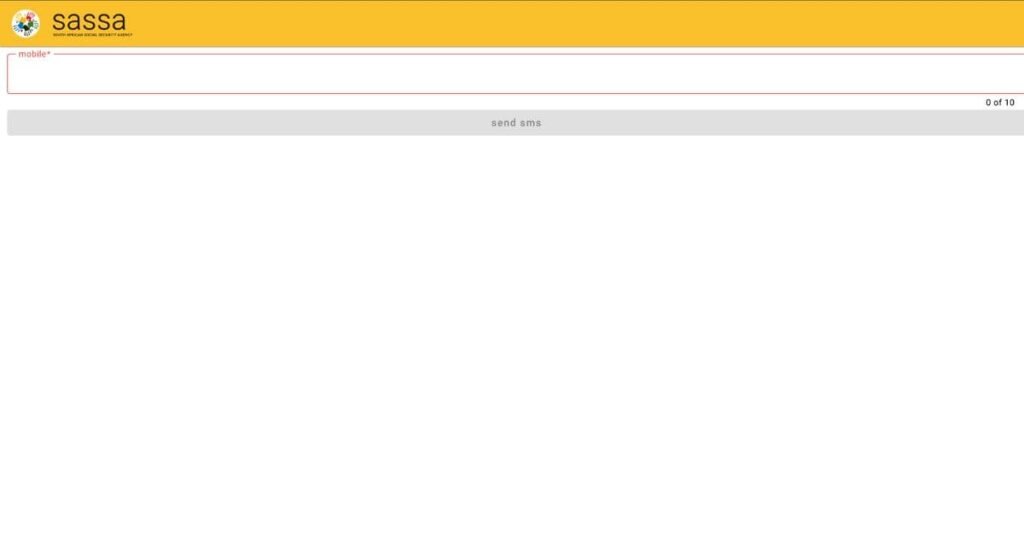
Before applying, visit the official SASSA website to verify your eligibility. Use the SASSA status check tool to see if you are already receiving a grant. This prevents duplicate applications which can cause system errors. Ensure you have your ID number and mobile phone number ready.
If you are applying for the SRD grant, you will need to confirm that you are not receiving any other income support. The online system will cross-reference your details with other government databases. This step is crucial to avoid rejection later in the process.
Step 2: Choose Your Application Method
You can apply online via the SASSA SRD website or in person at a SASSA office. The online method is faster and recommended for those with internet access. You will need to fill in your personal details, contact information, and banking details. If you apply in person, bring your original ID document to a nearby Labour Centre or SASSA office.
For those without internet access, you can apply via WhatsApp or USSD codes provided by SASSA. These methods are designed to be accessible on basic mobile phones. Choose the method that is most convenient for you, but ensure you keep a record of your application reference number.
Step 3: Submit Banking Details Accurately
One of the most critical steps is submitting accurate banking details. SASSA pays directly into bank accounts or via cash send options. If you choose bank transfer, ensure the account is in your own name. SASSA will not pay into a third-party account for security reasons.
Double-check your account number and branch code before submitting. Errors here are the most common cause of payment failures. If you do not have a bank account, you can select the Post Office collection option, though bank transfers are generally more reliable and secure.
Step 4: Wait for Verification and Approval
After submission, your application enters a verification phase. SASSA will check your details against Home Affairs and other databases. This process can take several weeks. You will receive an SMS notification regarding the status of your application.
During this time, do not submit multiple applications as this can confuse the system. Use the SASSA status check tool to monitor progress. If your application is approved, you will be informed of the payment date. If it is pending, it means verification is still underway.
Step 5: Collect Your Payment or Check Bank Account
Once approved, funds will be deposited on the designated payment date. Check your bank account or visit the collection point. If you do not receive the payment on the expected date, wait 24 hours as bank processing times can vary. If the issue persists, contact SASSA support immediately.
Documents Needed
Having the correct documents ready speeds up the application process. Incomplete documentation is a leading cause of delays. Ensure all your documents are valid and up to date before starting your application.
List of Required Documents
The primary document required is a valid South African Green Barcoded ID Book, Smart ID Card, or a valid Passport for refugees. You will also need a valid mobile phone number registered in your name. For banking, you need proof of account details such as a bank statement or a letter from the bank.
If you are applying for a Child Support Grant, you need the child’s birth certificate and your ID. For a Disability Grant, you need the medical report form completed by a doctor. For the SRD grant, you generally only need your ID and phone number, but you may be asked for proof of residence later.
Explain Certification Rules
Some documents may need to be certified copies if submitted in person. A certified copy must be stamped by a commissioner of oaths, police officer, or post office official. The certification must be recent, usually not older than three months. Online applications typically require you to upload clear photos or scans of these documents.
Ensure that the text on the documents is legible in your uploads. Blurry images can lead to rejection. If you are submitting affidavits, ensure they are signed and stamped correctly. Incorrect certification is a common administrative hurdle that can be easily avoided with attention to detail.
Explain File Formats and Upload Tips
When applying online, pay attention to file formats. Typically, JPG, PNG, or PDF formats are accepted. Keep file sizes under the maximum limit specified on the website to ensure successful uploads. Large files may fail to upload, causing incomplete applications.
Take photos of your documents in good lighting. Avoid shadows covering important details like your ID number or name. Name your files clearly, for example, “ID_Document.jpg” or “Proof_of_Residence.pdf”. This helps you keep track of what you have submitted and makes it easier to resubmit if requested.
Common Problems and Solutions
Applicants often face challenges during the application and payment process. Knowing how to resolve these issues reduces stress and ensures you receive your grant. Here are the most common problems and their practical solutions.
SASSA Grant Increase Errors Applicants Face
Users often search for Has SASSA Grant Increased when they see no change in their payment amount. If an increase was announced but not reflected, it may be a system update delay. Check the official SASSA website for confirmation of the implementation date. Sometimes payments are staggered, and not all beneficiaries receive the new amount on the same day.
Another common error is the “Pending” status. This means SASSA is still verifying your information. If this persists for months, you may need to update your details. A “Declined” status usually means you failed the means test. You have the right to appeal this decision if you believe it is incorrect.
Payment Delays or Banking Issues
Payment delays can occur due to banking system maintenance or public holidays. If your payment is late, check the SASSA payment dates calendar. Ensure your bank account is active and not dormant. Some banks close accounts that have no activity for a long period, which will cause SASSA payments to fail.
If you changed your bank account recently, you must update these details on the SASSA portal. Payments sent to closed accounts will be returned, causing significant delays. Always confirm with your bank that they accept SASSA grants, as some specific account types may have restrictions.
Practical Solutions and Workarounds
If your application is declined, use the Reconsideration process. You can lodge an appeal on the SRD website within a specified timeframe. Provide additional information to support your claim, such as proof of unemployment or lack of income. Keep records of all communication with SASSA.
For banking issues, visit your bank branch with your ID and proof of grant approval. They can trace failed payments. If you cannot resolve the issue digitally, visit a SASSA local office. Bring all your documents and reference numbers. Face-to-face interaction can sometimes resolve complex issues faster than online support.
Important Tips and Warnings
Protecting yourself from fraud and ensuring compliance is essential when dealing with social grants. There are many scams targeting grant beneficiaries. Follow these tips to stay safe and maintain your grant status.
Avoiding Scams and Fraud
Never share your PIN, password, or OTP with anyone. SASSA officials will never ask for your banking PIN. Be wary of individuals claiming they can expedite your grant for a fee. This is always a scam. Only use official SASSA channels for applications and status checks.
Phishing messages via SMS or WhatsApp are common. Do not click on links from unknown numbers claiming to be from SASSA. Verify any communication by contacting SASSA directly through their official hotline or website. Protecting your personal information prevents identity theft and loss of funds.
Payment Dates to Watch
SASSA releases payments in batches over several days. Know your specific payment date based on your grant type. Old Age Grants are usually paid early in the month, followed by Disability Grants, and then Child Support Grants. SRD grants have their own specific schedule.
Mark these dates on your calendar. Avoid going to collection points on the first day if possible, as queues are longest. If you use bank transfers, monitor your account from the start of the payment window. Being aware of the schedule helps you plan your finances and avoid unnecessary anxiety.
Mistakes That Lead to Rejection or Suspension
Providing false information is the fastest way to get rejected. If your financial situation changes, such as finding employment, you must update SASSA. Failure to do so can lead to overpayment, which you will be required to pay back. It can also lead to legal consequences.
Another mistake is failing to confirm your SRD grant monthly. SRD beneficiaries must confirm their need for the grant every month via the online portal or WhatsApp. If you do not confirm, your payment for that month will be skipped. Set a reminder to do this regularly to ensure continuous support.
Frequently Asked Questions (FAQ) on Has SASSA Grant Increased
Applicants often have specific questions regarding grant increases and processes. Here are answers to the most common queries to help clarify your understanding.
Has the SASSA Grant Increased for 2025?
The confirmation of a SASSA grant increase for 2025 depends on the National Budget Speech announced in February. While there are expectations and proposals, official confirmation comes from the Minister of Finance. Applicants should monitor official government announcements for the final figures.
How Do I Check If My Grant Amount Changed?
You can check your grant amount by reviewing your bank statement after the payment date. Alternatively, log in to the SASSA online portal to view your grant details. If an increase has been implemented, the new amount should reflect in your profile and payment.
Do I Need to Reapply for the Increase?
No, you do not need to reapply for an increase. If you are already an active beneficiary, any approved increase is applied automatically. You only need to reapply if your grant has expired or if you are a new applicant seeking initial approval.
What If My SRD Grant Status Says Failed?
If your status says failed, it means you did not meet the criteria during that month. You can appeal the decision through the SRD website. Ensure your income details are accurate and that you are not receiving conflicting support when you lodge the appeal.
When Will the SASSA R350 Increase Be Confirmed?
Discussions around the SASSA R350 increase are ongoing. Any change to the amount will be confirmed during the Budget Speech or through a special government announcement. Keep an eye on official news sources for the exact timeline and confirmed amounts.
Can I Receive My Grant If I Have No Bank Account?
Yes, you can choose to collect your grant at a Post Office or via Cash Send options. However, having a bank account is recommended for security and convenience. You can open a basic bank account with most major banks using just your ID and proof of income or grant approval.
How Long Does the Appeal Process Take?
The appeal process can take several weeks to months. The Independent Tribunal for Social Assistance Appeals (ITSAA) reviews these cases. You will be notified via SMS once a decision has been made. Patience is required, but following up regularly is encouraged.
Conclusion
Navigating the social grant system requires patience and accurate information. While many are asking Has SASSA Grant Increased, the most important step is ensuring your current application and details are correct. Increases are beneficial, but they only matter if you are eligible and compliant with the system requirements.
Stay informed through official channels and avoid relying on rumours. The landscape of social relief in South Africa is evolving, with continuous discussions around the SASSA srd grant increase and permanent grant adjustments.
By following the steps outlined in this guide, you can secure your support and manage your finances more effectively.
Take action today by checking your status and updating your details if necessary. Ensure you have the required documents ready and protect yourself from scams. With the right knowledge and preparation, you can access the support you are entitled to.
Remember, SASSA is there to assist vulnerable citizens, and understanding the process empowers you to receive that assistance without unnecessary delay.